What Is Workplace Strategy, and Why Should Mid-Sized Organizations Start Today?
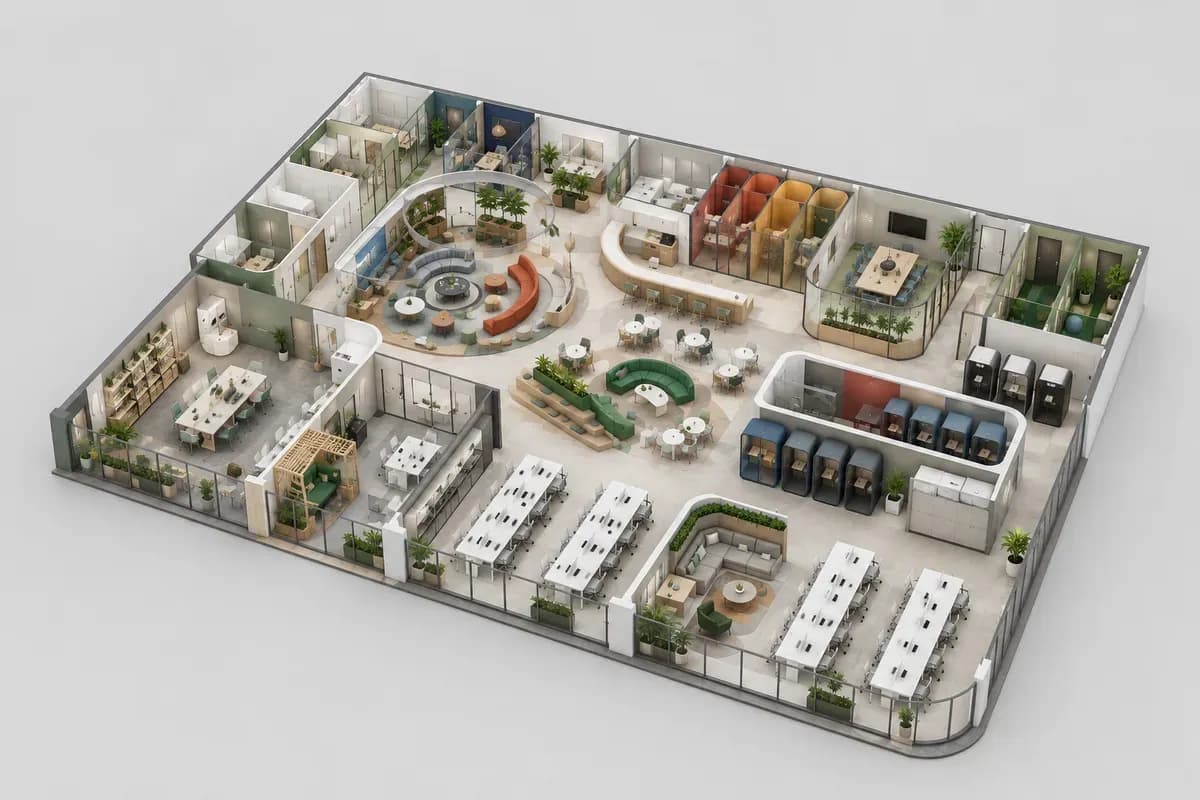
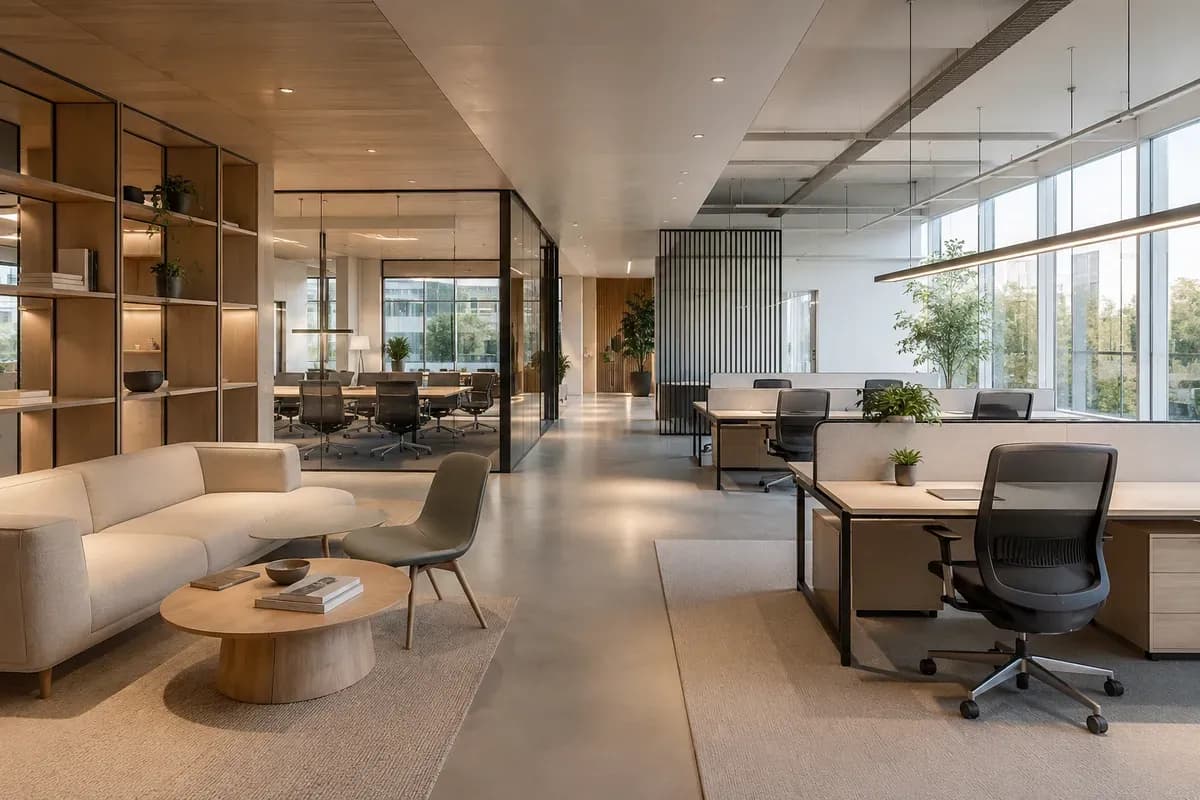
In the past, office design was often viewed primarily as creating an attractive workspace with all the necessary functions. Today, however, many organizations see the workplace as a strategic business asset rather than simply a physical environment. This is where Workplace Strategy plays an important role. It connects office design, the way employees actually work, and an organization's long-term business goals into a unified strategy. --- What Is Workplace Strategy? Workplace Strategy is a structured approach to planning and designing the workplace by considering factors such as: Employee work behaviors Organizational structure Business objectives Brand identity Instead of starting with the question: "How should we arrange the desks?" Workplace Strategy begins by asking: "How do we want our people to work?" "How should the workplace support that way of working?" The result is an office that is more than just a physical space—it becomes a strategic tool that enables productivity, collaboration, and business growth. --- Why Should Mid-Sized Organizations Start Today? Although Workplace Strategy was once primarily adopted by large enterprises, it has become increasingly relevant for mid-sized organizations as today's workplace continues to evolve. Several key factors are driving this shift: 1. More Diverse Ways of Working Work is no longer entirely desk-based. Modern organizations must support collaboration, hybrid work, and flexible work environments. 2. Attracting and Retaining Talent The quality of the workplace has become an important factor in attracting new employees and retaining existing talent. 3. Maximizing Long-Term Space Efficiency Planning the workplace strategically from the beginning helps reduce costly renovations and inefficient space utilization in the future. For growing mid-sized organizations, starting early makes it easier to build the right workplace foundation before expansion creates additional complexity. --- The Four Core Elements of Workplace Strategy An effective Workplace Strategy typically considers four key components together. 1. People Understanding how employees actually work. Individual focus work vs. collaborative work Communication patterns Real workplace usage and behaviors 2. Space Designing layouts and zoning that support daily activities. Primary work areas Meeting spaces Shared and social spaces 3. Technology Providing the infrastructure that enables modern work. Meeting technology IT and data infrastructure Hybrid work capabilities 4. Brand Reflecting the organization's identity through the workplace. Design language Materials and color palette Employee and visitor experience --- Applying Workplace Strategy in Office Design In practice, Workplace Strategy often influences design decisions such as: Transforming fixed layouts into flexible work environments Reducing underutilized areas while expanding collaboration spaces Designing multi-functional spaces that serve multiple purposes Creating workplaces that better express the company's brand identity Although these changes may appear relatively small from a physical design perspective, they can significantly improve how an organization operates. --- Insights from Real-World Projects Based on practical experience in workplace design and office development, one common observation is that many organizations initially focus on creating an office that simply looks impressive. However, a deeper analysis often reveals that the real challenges lie elsewhere, such as: Inefficient workflows Poor alignment between workspace and employee behaviors Office layouts that cannot support future growth By incorporating Workplace Strategy from the beginning, organizations can address these underlying issues rather than simply improving aesthetics. --- Workplace Strategy is more than an approach to office design—it is a planning framework that enables workplaces to support both current operations and future business growth. For mid-sized organizations, adopting Workplace Strategy today helps ensure that workplace investments deliver lasting value by improving team performance, supporting organizational growth, and strengthening the company's brand. Great office design begins with understanding how an organization works, not simply how the space should look. By combining strategic planning with thoughtful design and real operational needs, the workplace becomes an integral part of the organization's long-term business strategy.
Read more